GLP-1 use set to reshape protein buying
GLP-1 medications are on track to influence food purchasing in one in three U.S. households by 2030, according to Kevin Ryan, founder and CEO of Malachite Strategy and Research, who says the drugs' impact on protein demand extends well beyond the individuals taking them.
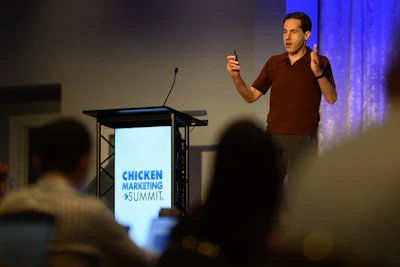
Speaking at the 2026 Chicken Marketing Summit, Ryan said only about 12% of U.S. adults currently use a GLP-1 drug. But he argued that statistic misses the larger shift happening inside households.
"One in three households will be shaped by GLP-1 by 2030," Ryan said. "If the gatekeeper in the household is on GLP-1, they're going to shop different."
Non-users are adopting the same habits
Ryan cited data showing roughly 61% of a GLP-1 user's non-medicated household partners adopt similar dietary habits, often because it's simpler to shop and cook for the household as a unit. That halo effect, he said, is filtering into how families fill grocery carts and lunch boxes, with more attention paid to protein and nutrient density even among people not taking the medication.
With additional GLP-1-adjacent drugs in development — some targeting muscle retention or more precise appetite regulation — Ryan said the category's influence on food buying is still in its early stages.
Protein needs a 'first name'
Ryan connected the GLP-1 shift to a broader change already underway in the protein aisle. Protein content has become so common — showing up even in products like protein popcorn and protein Pop Tarts — that simply listing "protein" on a label no longer differentiates a product.
"When everyone is adding what I call commodity protein... we will see differentiation come from distinction," Ryan said.
That distinction, he said, is increasingly coming from naming the exact protein source, such as beef, grass-fed or chicken protein, rather than an unspecified blend. He linked the trend partly to consumer skepticism left over from the plant-based boom, which he said taught shoppers to question what a product's protein actually is.
"Protein means the first name," Ryan said. "If I see it, I go, 'Oh, I get that. I understand that. That's not filler.'"